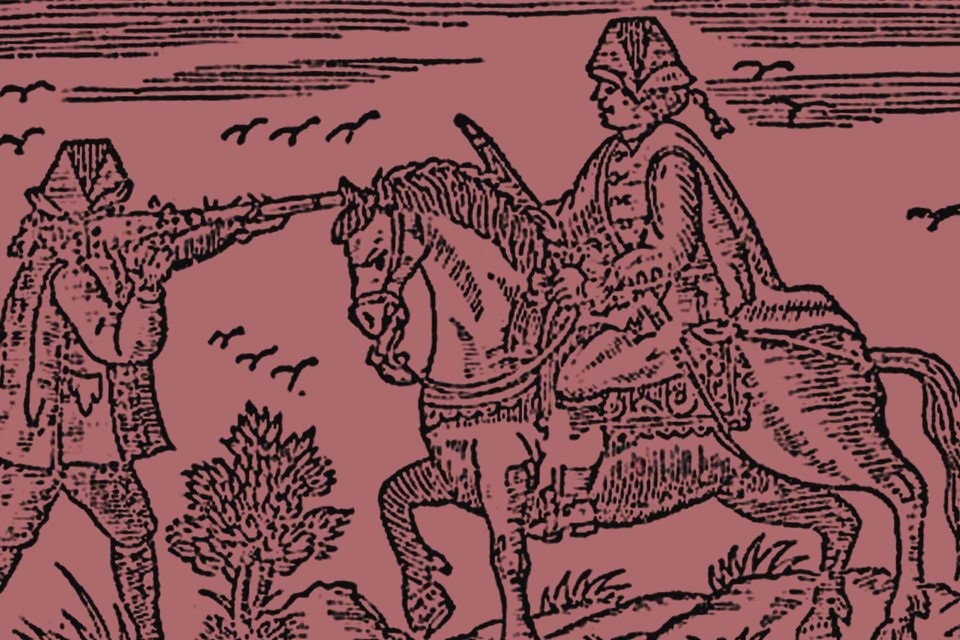
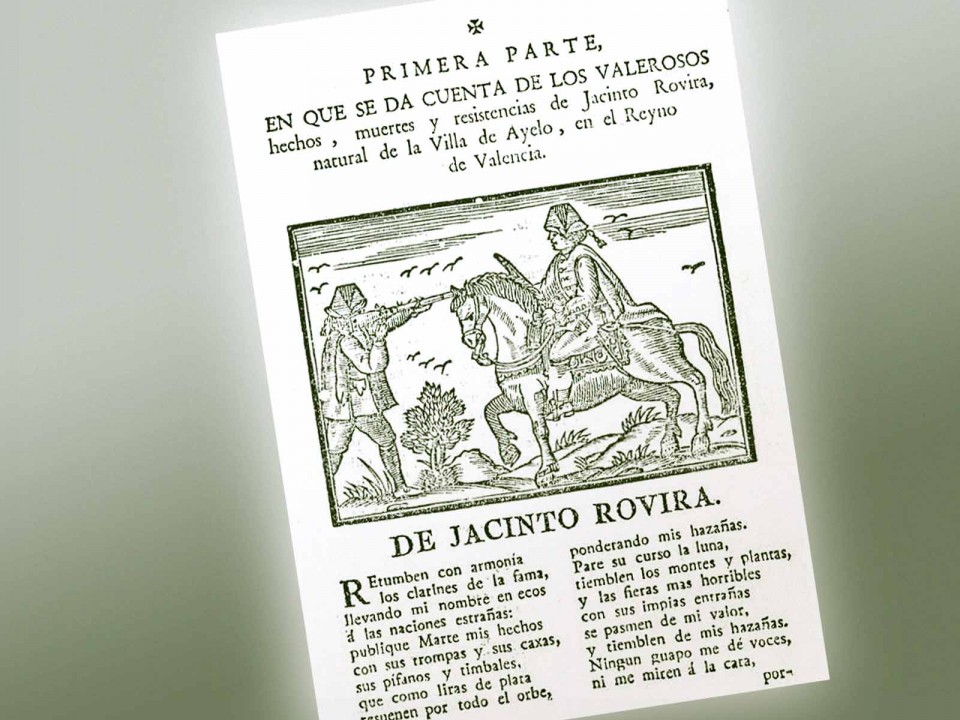
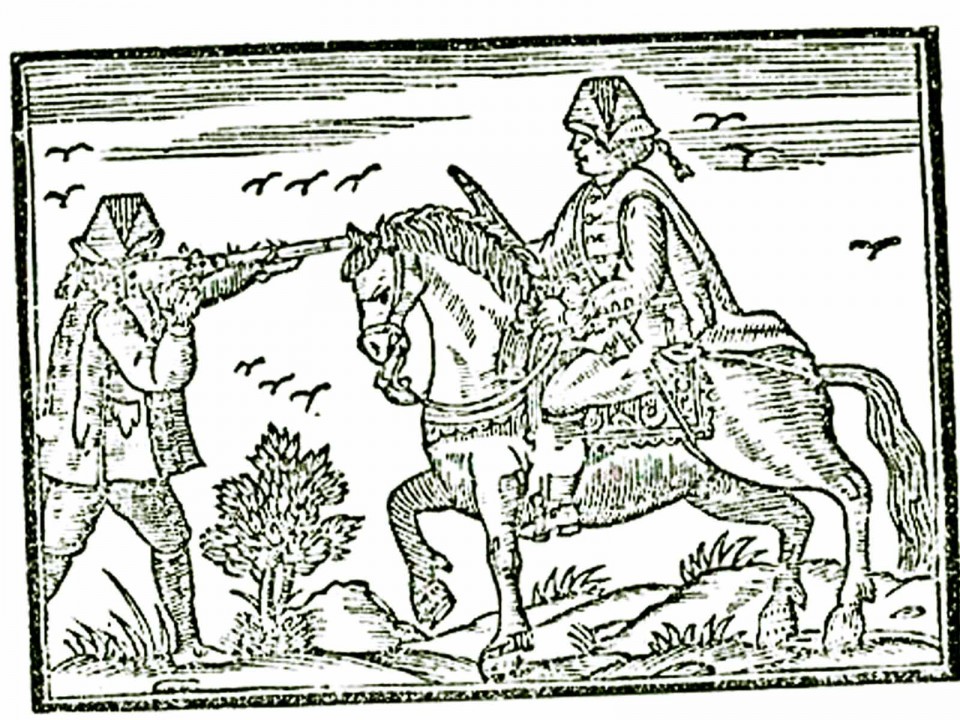
The Romances say that as a child he was very fond of guns.
When he was young, he began his studies at the University of Gandia in order to become an ecclesiastic. But his path crossed a “pretty girl of qualified blood” whose cousin challenged him to a duel as a matter of honor.
Jacinto emerged victorious after killing the cousin of the girl and, pursued by justice, he fleed to Zaragoza where he enlisted in the troops of Philip V in the War of Succession. After being wounded in battle he was transferred to Martorell to recover and there, in love again, he competed with another soldier who was going out with the same lady and who he also killed in a duel, so again forced to flee, embarking for Barcelona on a journey that will take him through many European cities where he had different adventures.
Back in Spain, near Gandia, he had an encounter with the brother of the first man he killed. He tried to take revenge and died after a blunderbuss shot from Jacinto.
Again fleeing, he took refuge in the mountains of Mariola and Aitana becoming captain of the rebels “migueletes” until he was arrested and jailed, although shortly after he managed to escape.
Leaving behind a long list of crimes, changing his name and he fleed the Kingdom of Valencia. But at Castilla is identified and arrested in Albacete. After numerous legal incidents, he was transferred to the prison of the Torres de Serrano in Valencia. Its judges sent orders to all the places where Jacinto had committed crimes: the University of Alfafara, Agres, Villajoyosa, Alicante, Pedreguer, Gandia, Biar, Ontinyent, Cocentaina, Chinchilla … in order to collect overwhelming evidence for a secure sentence death.
But in extremis Jacinto Rovira managed to elope from las Torres prison.
The romance tells that after new spillages of blood, he repented and sought asylum and confession in the Franciscan monastery of Albaida. And redeemed and again on the way, he suffered an ambush organized by his many enemies that shot him to death.
“En esto paró Rovira.
Señores, y en esto paran
los que sin conocimiento,
ni Dios, ni ley soberana,
cometen tales delitos,
y causan tales desgracias”.
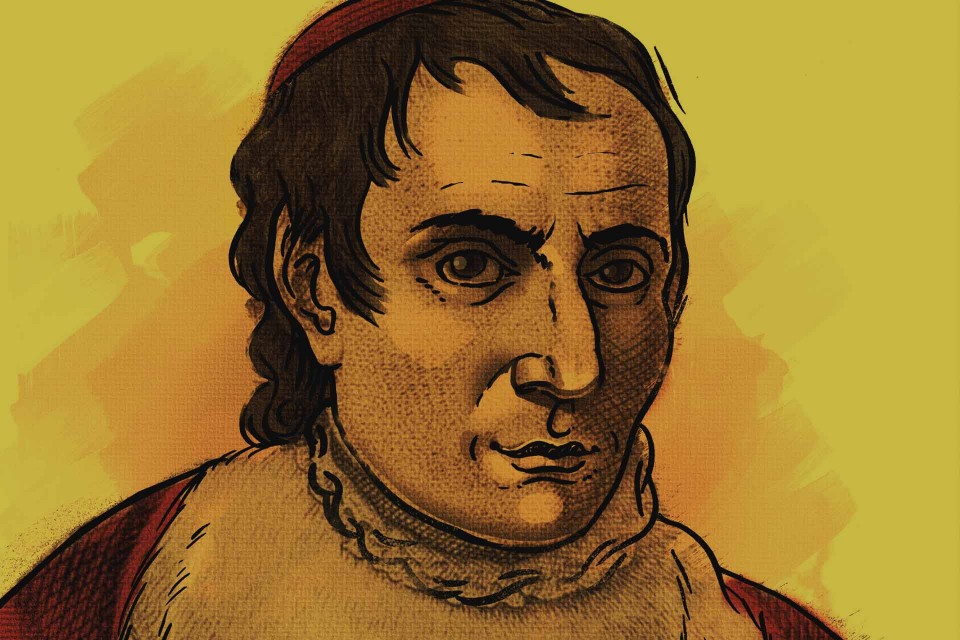
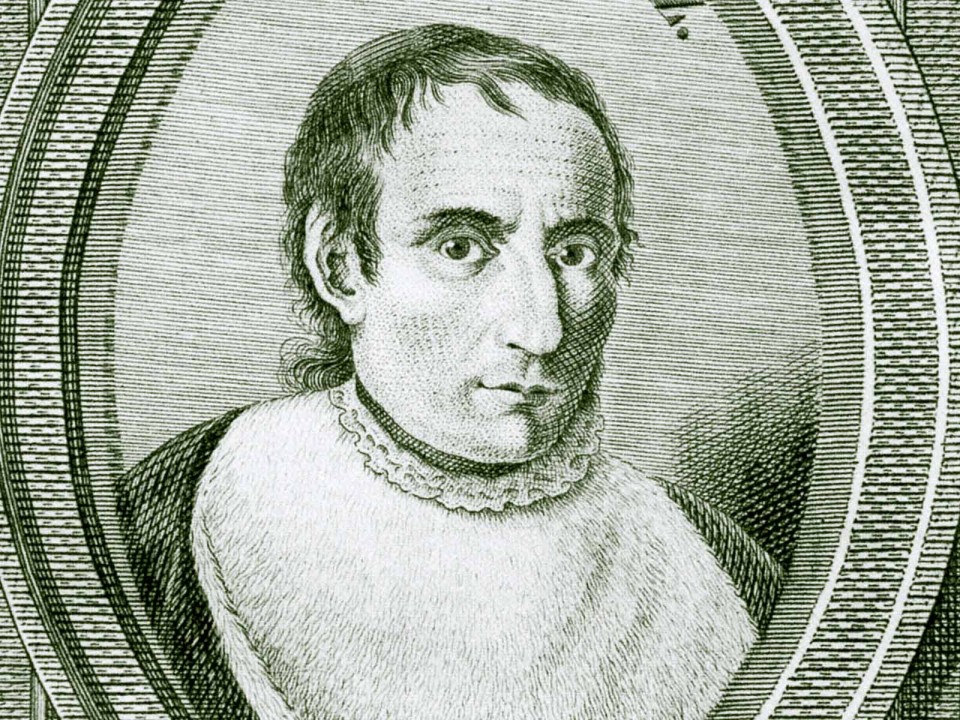
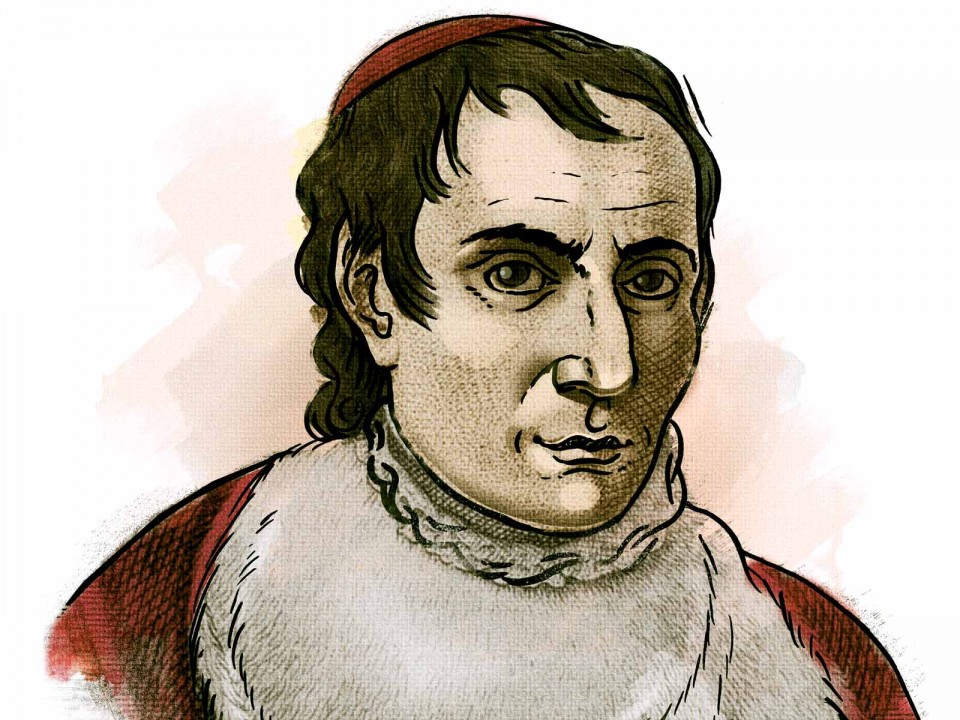
He earned a doctorate in canon and civil law in 1764 in Orihuela. He returns to Valencia for preparation studies in order to be ordained a priest.
He participated in the creation of the Royal Academy of Fine Arts of San Carlos (1768) and was a student of the first courses organized by the school board of it. In the same year 1768 he received the highest orders of the priesthood.
During the following years he was treasurer in the parishes of Genovés, Alcolecha, Mislata, Manises and Cárcer. In 1774 he was appointed Vicar of the parish church of Santa Maria in the collegiate itself then called San Felipe (Xàtiva). Being in this city vicar he began the translation and commentary of the work of architecture of Vitruvius. In order to further his studies of classical architecture, he travelled to Italy in 1778, after obtaining the permits of his ecclesiastical superiors and King Carlos III.
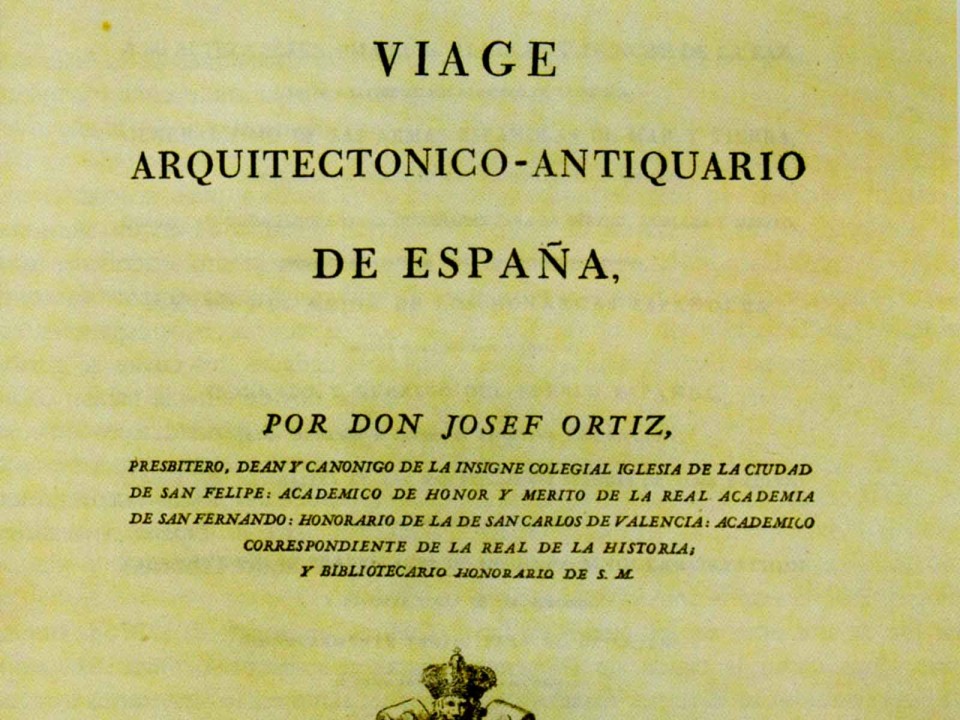
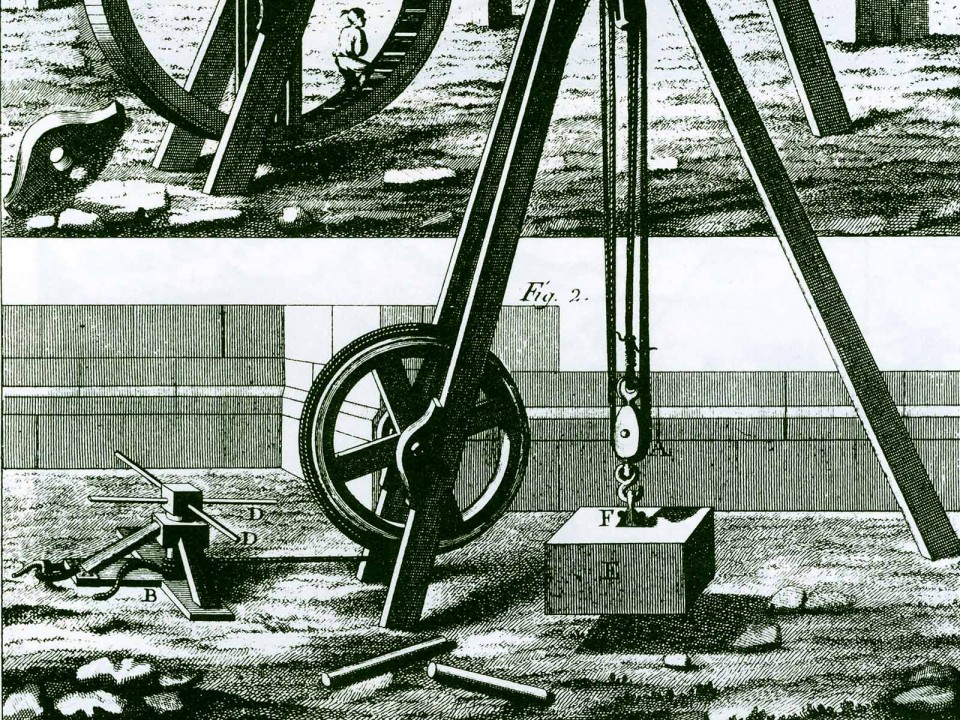
In Rome he published in the year 1781, a Latin booklet with comments on some difficult issues to understand in the work of Vitruvius. Carlos III granted him a pension so he could continue in Italy until finishing the Spanish version of Vitruvius. Once in Spain he lived in Madrid, where he published his commentary on Vitruvius. It was printed at the Royal Printing under the auspices of King Charles III to whom Ortiz dedicated the work. It was a magnificent edition in which all of the details are covered from the printing paper to the prints made by the best engravers then in Spain according to the drawings that Ortiz had done in Italy.
In 1787 he was named academic of honor of the Royal Academy of Fine Arts of San Fernando (Madrid), which coincided with much of the most important figures of the Spanish culture of this era, including the painter Francisco de Goya.
Between 1792 and 1799 he was librarian officer of the Royal Library.
In 1799 he was awarded the title of honorary librarian with a pension.
In 1801 he won the supernumerary academician of the Royal Academyof History. Highlights The reports prepared on the legislation to be applied for the protection of archaeological heritage stand out. In 1803 he published the famous royal decree on this matter, one of the first in the world.
In 1802 he was a member of the deputation that the Royal Economic Society of Friends of the Country of Valencia wanted to create in Madrid to have a greater influence on the Court.
That same year Carlos IV granted him the deanery of the Collegiate Church of San Felipe (Xátiva), notwithstanding that his residence in this city did not occur until 1804.
In 1803 he was made an honorary academician, for the architecture, by the Royal Society of Fine Arts of San Carlos.
In 1816, for health reasons and because of family, Ortíz moved to Valencia.
Until his death, he collaborated in several newspapers, this corresponds with the leading intellectuals of the time, and was able to finish and publish some of his writings. The Count of Floridablanca commanded him, on behalf of the king, to deal in working on the projects which were deemed to be most useful to the nation.
0 Read MoreIn 1792 he was a member of the EDB Government of the Bar.
In 1796 he won by opposition the position of civil rapporteur in court and in 1810 was elected the first of the four alternate members.
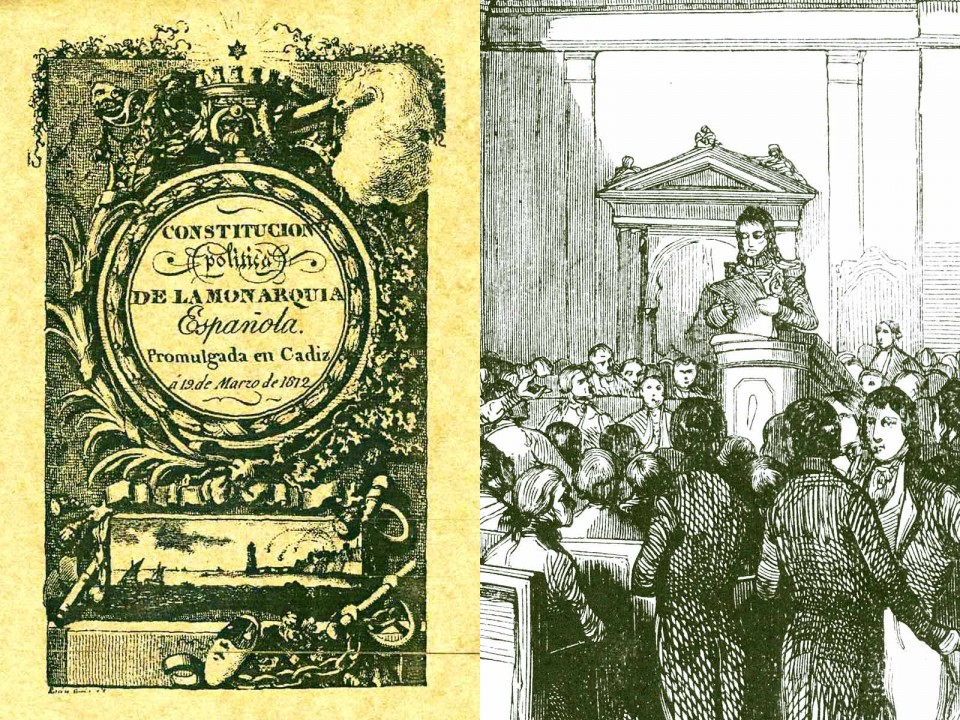
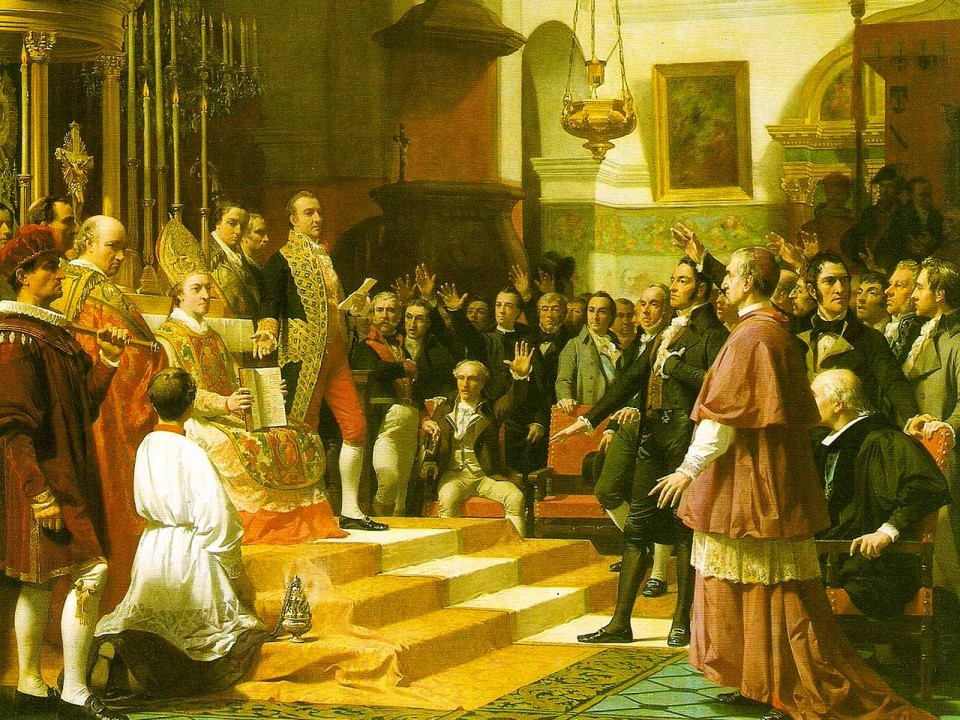
In January 1811 he traveled to Cadiz to replace a deputy and was elected secretary of the Parliament there.
EOn June 9 of1811 in Cadiz he intervened in favor of the abolition of the feudal courts.
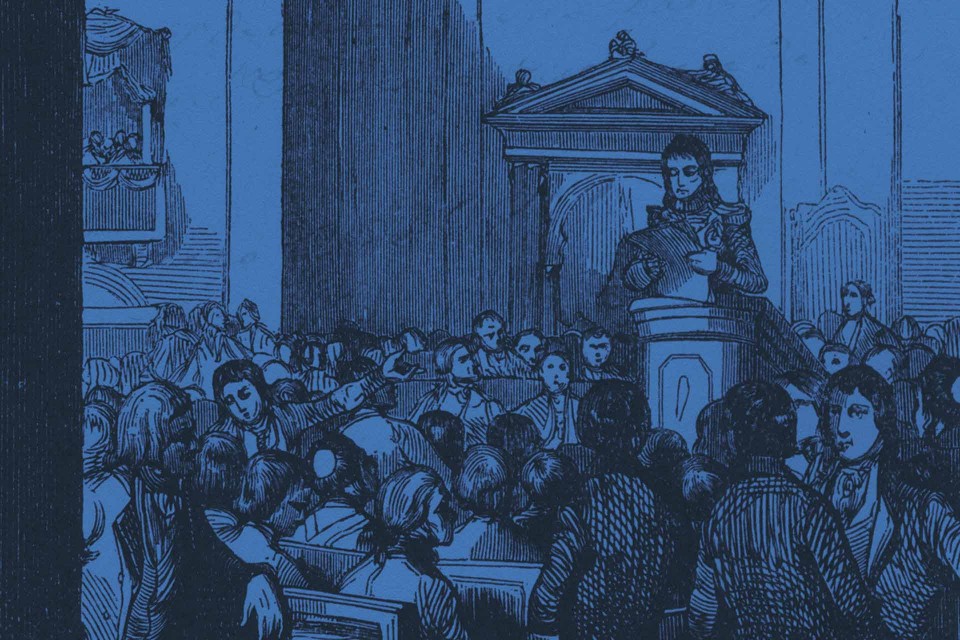
Two years later, he pronounced a famous speech in which he declared that he considered illegal the Valencians territorial lordships, whose origins dated back to the expulsion of the Moorish people two centuries ago and considered null the “cartas pueblas” (municipal charters).
To give more weight to his dissertation he exemplified this with demographic, social and economic data of his village, Aielo.
His speech is a document of great interest to the history of Spain during the Liberal Revolution and therefore widely cited by historians.
With the restoration of absolutism in 1814, Pedro Aparicio, disenchanted, departed from public life and never intervened again in politics.
He died in Valencia on 25 July 1829.
0 Read MoreIn the second decade of the twentieth century, after having worked as a teacher in different cities of Spain, he was given a post in Atzeneta de Albaida where in addition to his teaching he was deputy mayor. There he began to stand out for his innovative ideas in the teaching of Valencian and what is now called “Environmental Awareness”. In Atzeneta he would write “Cançons d’amor i per a ronda”.
He used to enter all poetry competitions and the Floral Games of the time, being the winner of many of them: Torrent, Benimaclet, Riba-Roja, Manises, Xàtiva, Valencia.
He is the author of hymns of the patrons the Holy Christ of Poverty and San Engracio Martyr. The hymn to the Blessed Christ was written in 1934, on the occasion of the centennial celebration of the Holy Christ, the music was composed by the organist from Aielo José Ramón Juan Cerdá.
On April 19 of 1932, he returned to Aielo de Malferit as a teacher, where he met Manuel Bermudez and Leonardo Carreres. A great lover of history of Aielo, he used to organize trips with his students around the village to find prehistoric remains. With their findings he organized a small museum at school with fossils, arrowheads, tools, etc.
The Republican government forced him to retire in 1937. After the Civil War, in 1941, he returned to work. In 1943, at the age of 66, he sought voluntary retirement.
He spent the last years of his life in the Hospital nuns of Ontinyent dedicated to writing poetry of religious inspiration.
His commitment to the village was recognized in 1975 with the dedication of a street to his name.
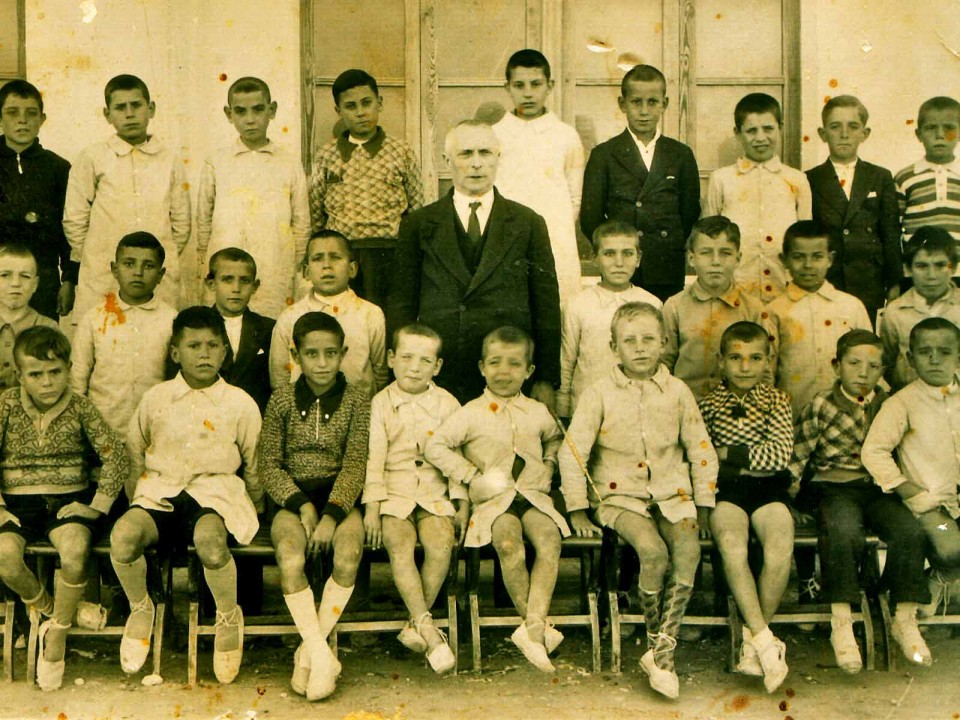
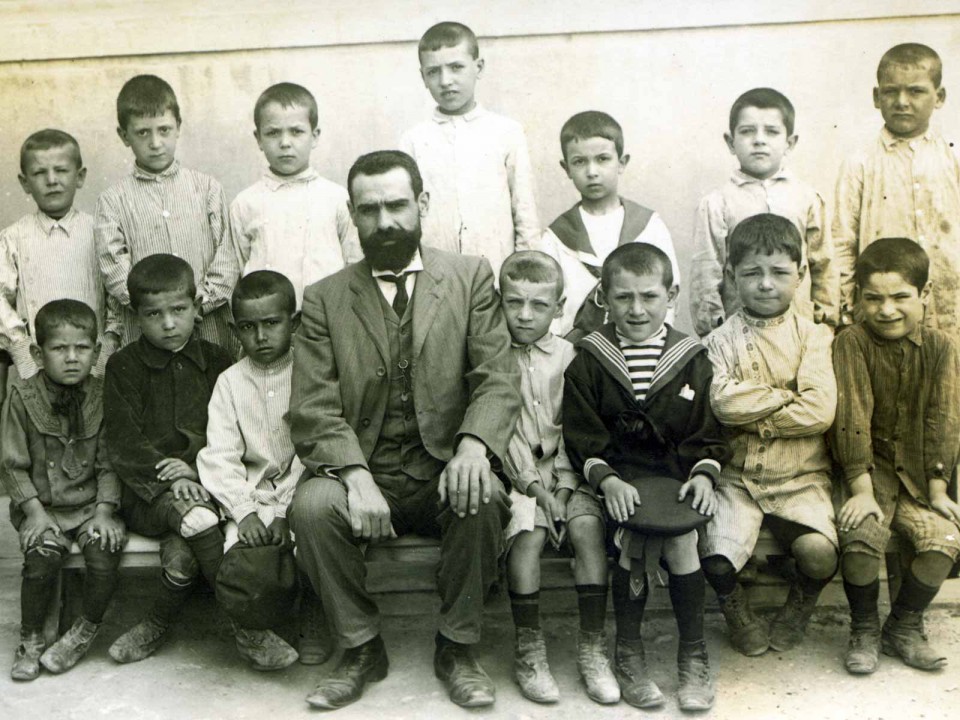
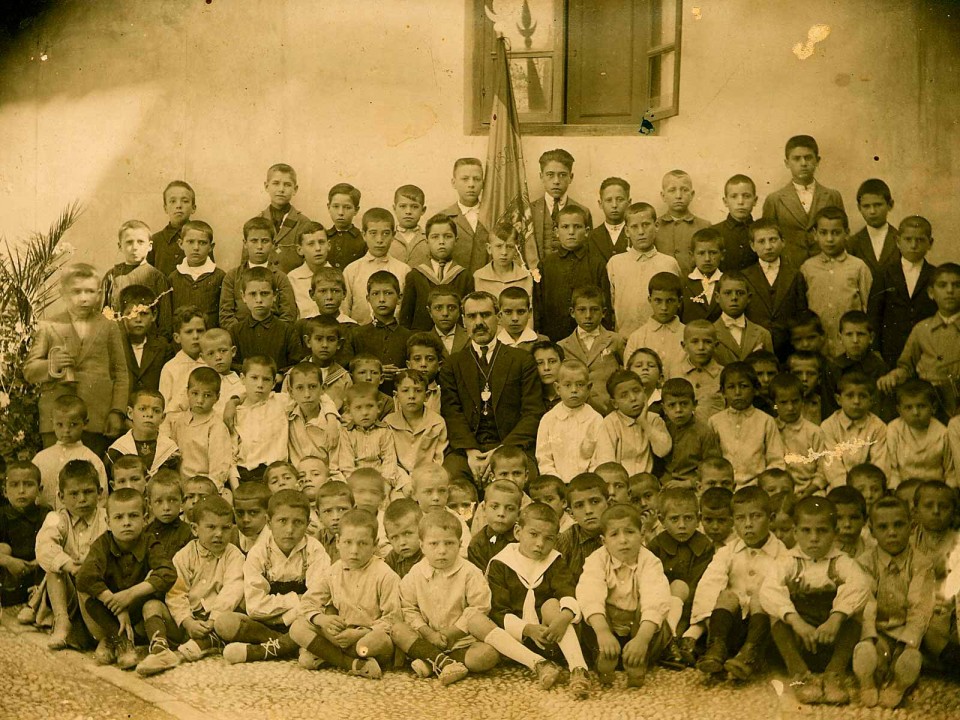
0 Read MoreLeonardo Carreres Liñana was teacher of Aielo de Malferit in two stages. The first as interim substitute teacher, from the 29th of October 1904 until the 14th of September 1911. The second stage, in tenure, lasted from the 11th of February 1916 until his retirement on the 2nd of March, 1951.
Leonardo prompted one of the largest educational reforms in Aielo de Malferit, reorganizing schools and student activities. He created the prize distribution of the school, one of the most solemn acts of the festivities. The impression made by his activity was so valued, that the Mayor, before the Local Board of Education, granted him the the Vote of Grace.
He organized field trips to the most important prehistoric sites “Cova la Fos”, “Molló de les Mentires”,where students gathered prehistoric objects, minerals and fossils for the School Museum. He was also concerned with the training of adults organizing a series of cultural conferences, where prominent personalities presented their knowledge.
He was secretary of the Conference of St. Vincent of Paul to help the poor, president of Catholic Action, the Vestry and the Nocturnal Adoration.
He was councilman and Mayor-President. He was one of the founders of the Agricultural Union of Aielo “Christ of Poverty” in which he held the position of secretary, without pay, until its dissolution.
He founded the Municipal Library with Ms. Ángeles Belda Soler, professor at the Institute. He was a literary and administrative correspondent of the Diario Levante in Valencia. He was responsible for the Rainfall Station and was correspondent for the Fabra Observatory of Barcelona for recording earthquakes. For many years he was a chair in the Committee on Festivities.
He founded the School Mutuality, which earned him obtaining another Vote of Grace, and several awards from the National Institute of Forecast. On the occasion of the creation by the Pastor Juan Sanchis Requena, of a night school for adults, of a particular character, Leonardo, he took charge of it, without receiving any compensation for his professional work. He also created the School Library and Schoolwork Museum. He promoted and managed to get carried out the construction of the School Group and the graduation of unitary schools.
He won countless awards and diplomas in various educational and literary contests. In the multitudinous academic ceremony held on the occasion of his retirement he won the first class Medal of Consistency.
“Mis queridos ayelenses: Mi edad y los achaques que la rodean no me permiten dialogar con vosotros. Esta es mi última lección, una más de las muchas que os he dado. He gastado lo mejor de mi vida en vosotros, trabajando para haceros hombres dignos de Dios y de España, aptos para la vida y para desempeñar los cargos que la sociedad había de exigir de vosotros.
No estoy arrepentido, estoy contento y orgulloso de haber sido maestro de Ayelo de Malferit, de haber dedicado mi vida a vosotros que tan bien me habéis correspondido. Azares de la vida me han separado de vosotros, cuando yo esperaba descansar de mis afanes en vuestra compañía y a la sombra del Santísimo Cristo de la Pobreza.
¡No Hay remedio! Estoy separado de vosotros, pero os tengo en mi corazón, sois mis hijos y os amo de verdad; os he formado, os he dirigido y me habéis correspondido.
En cambio, ahí os dejo mi herencia: una escuela que yo inicié, que se realizó por el noble desprendimiento de aquel gran patricio llamado don Bautista Aparici, y por el tesón de otro patricio, entonces alcalde, Miguel Colomer, dotada de un pequeño museo, biblioteca infantil y repleta de material escolar. En colaboración con una insigne ayelense, la señorita doña Ángeles Belda, fundamos la Biblioteca Municipal en la misma escuela.”
Leonardo Carreres
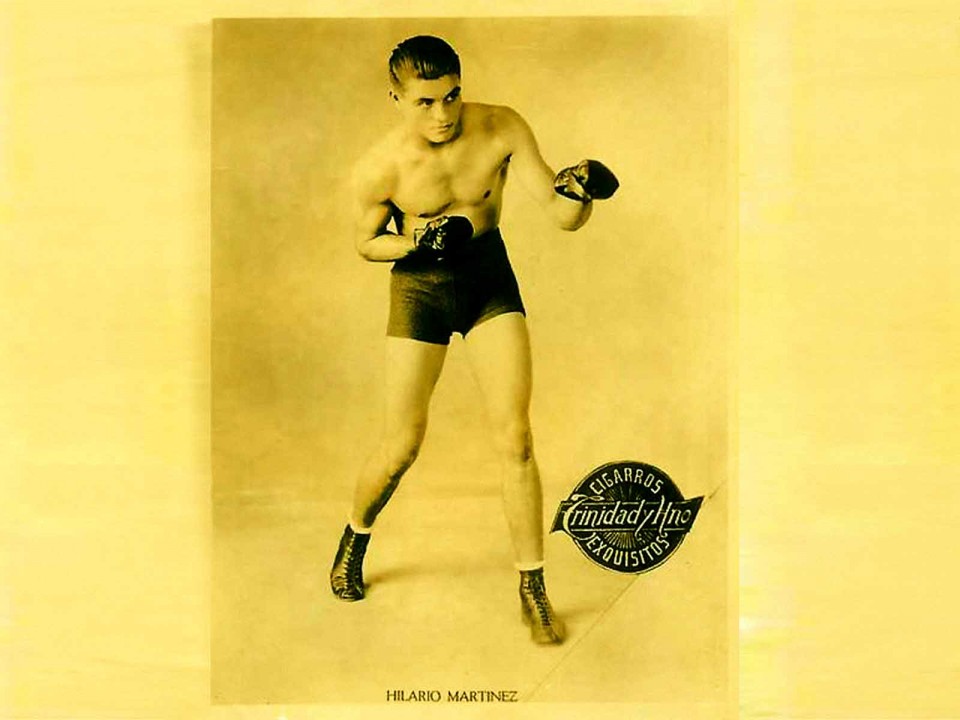
Boxer who fought on 124 occasions between 1922 and 1938, with 66 wins (21 by K.O.), 45 defeats, 10 zero, and 1 no-contest (we do not know the result of 2 matches).
In 1923 he achieved the title of Champion of Spain as a lightweight, and in 1934 the Champion of Spain as a welterweight.
In August 1926 he moved to New York, where he competed in 19 fights, debuting at Madison Square Garden. He also fought in many other cities of the two Americas.
Every visit to his hometown became, logically, in a real event.
He was interviewed for the film “Juguetes rotos” (1966) (“Broken Toys”), in which Manuel Summers showed people who achieved fame in their day, but who nobody still remembered .
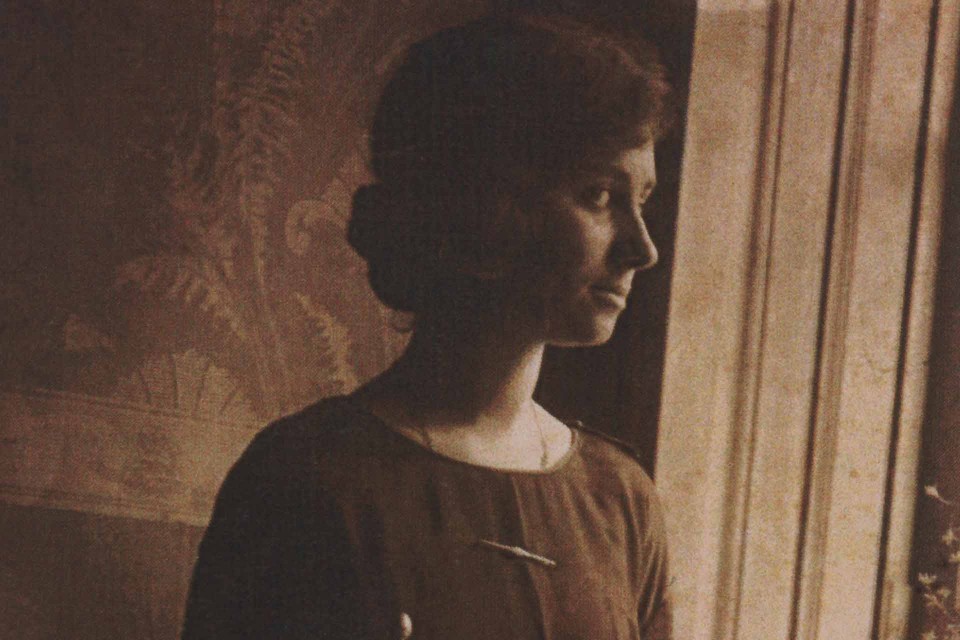
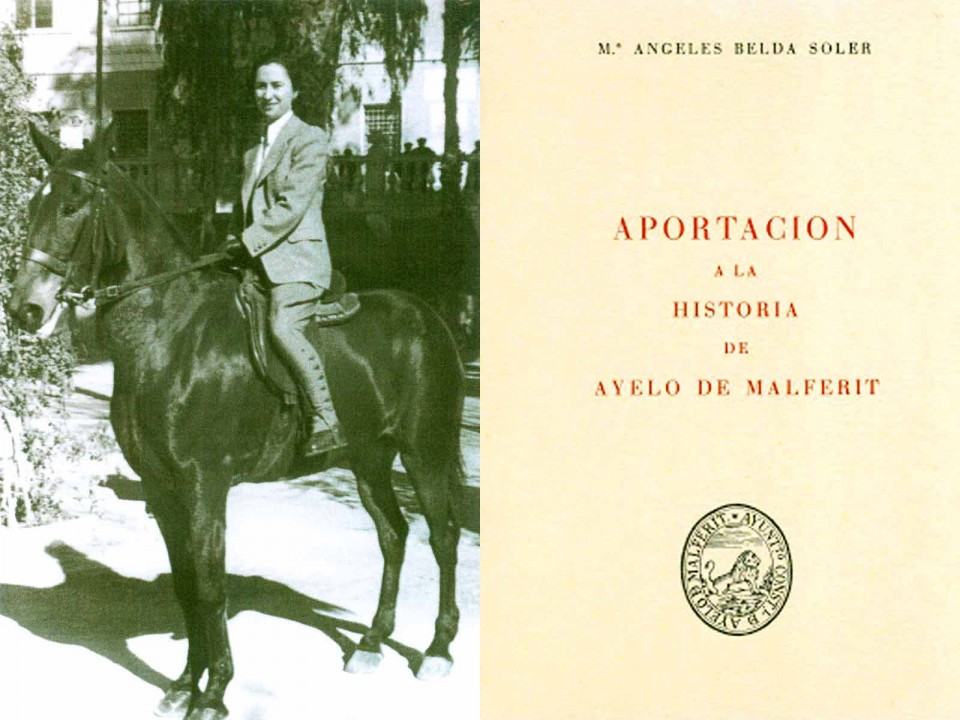
0 Read MoreShe was the only woman in Spain who took the examination of oppositions for the property registrar.
According to her niece Mari Sol Llixona, “she successfully passed the first exercise, which was written. But when she sat the next test, which was before a board, the chairman, before starting to examine those taking the opposition, said to her aside that she should withdraw, because it was a profession for men and the court never approve a a woman”. However, she took the test, although they failed her.
Ángeles was one of the first women who did higher education in Valencia.
With a Law Degree in Philosophy and Letters and in 1943 she became professor of Geography and History of Secondary School José de Ribera Xativa, where she taught for 21 years. In 1964 she moved to the Institute Juan Garay of Valencia until her retirement in 1971.
In 1966 she published “The matrimonial property regime in the Furs of Valencia and in 1982 “Contribution to the history of Ayelo de Malferit”. She was also the author of several textbooks for their students and contributed to the “Great Encyclopedia of the Valencian Region” and in different congresses of history.
She was the official chronicler of Aielo de Malferit. Her library, bequeathed to the Valencian Library in 1991, with some 1,000 volumes.
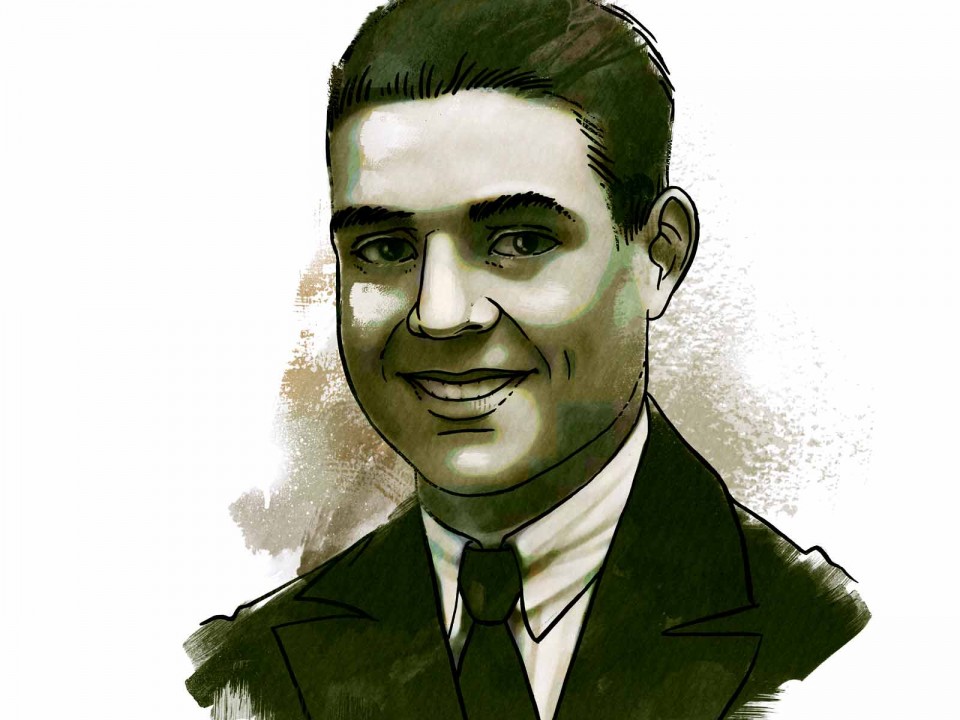
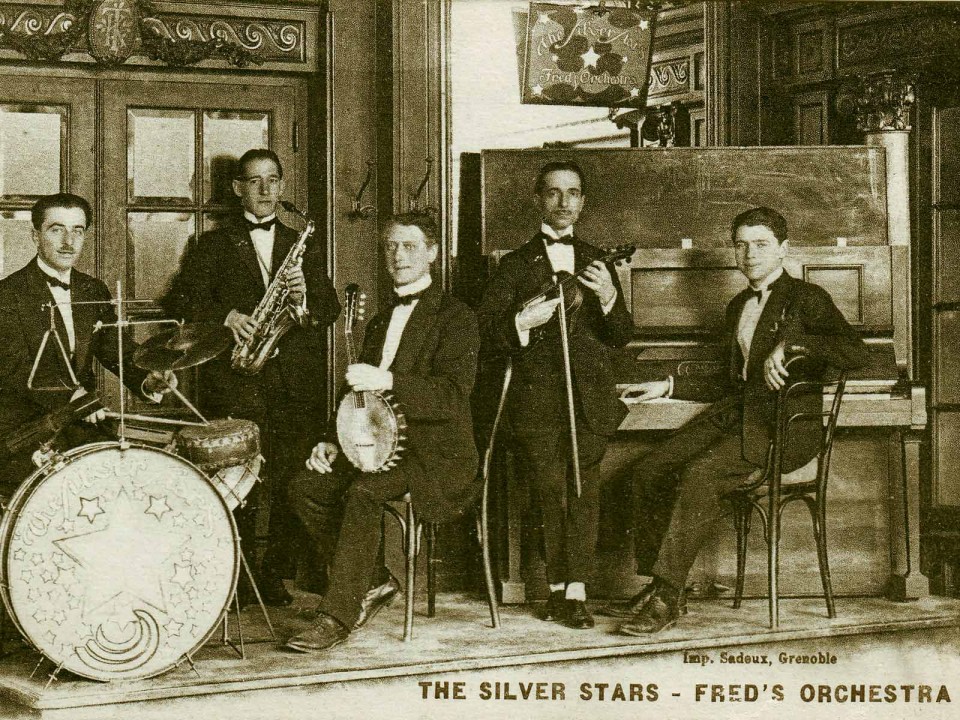
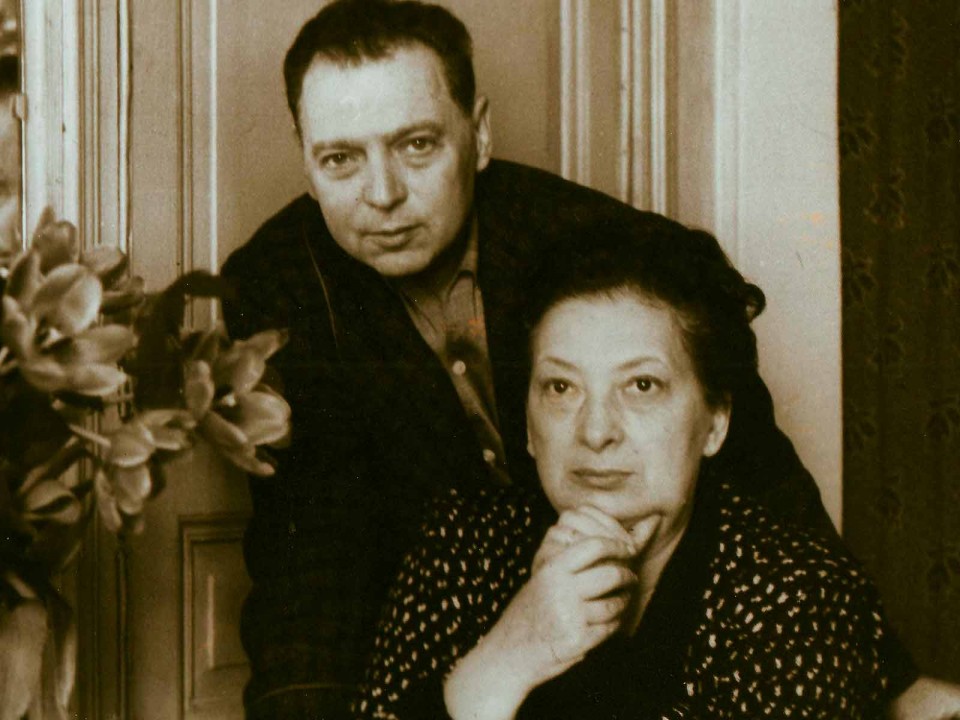
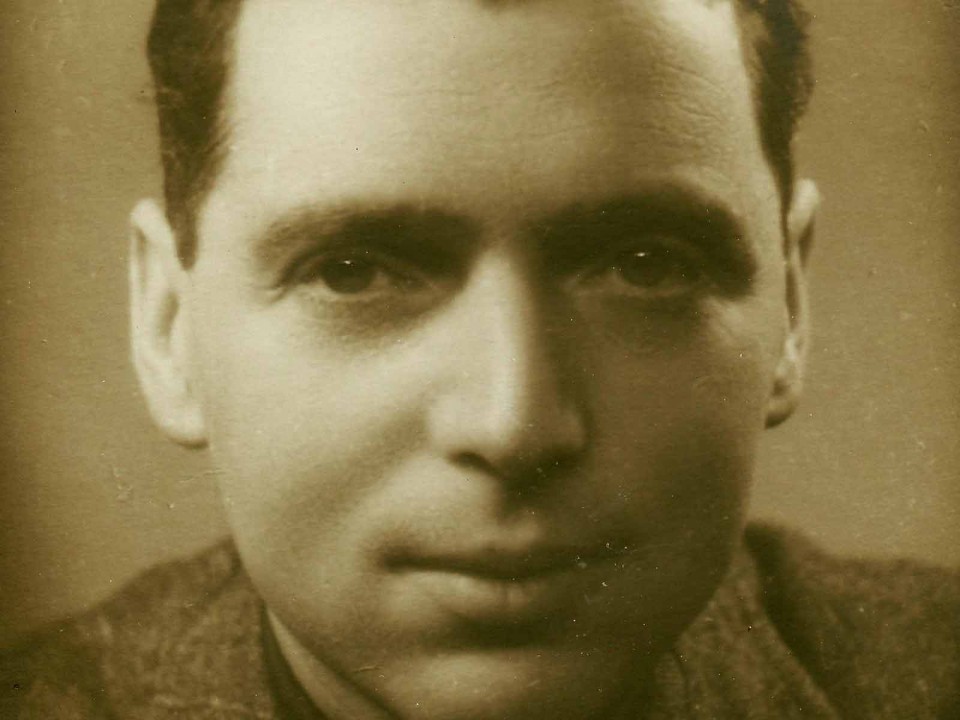
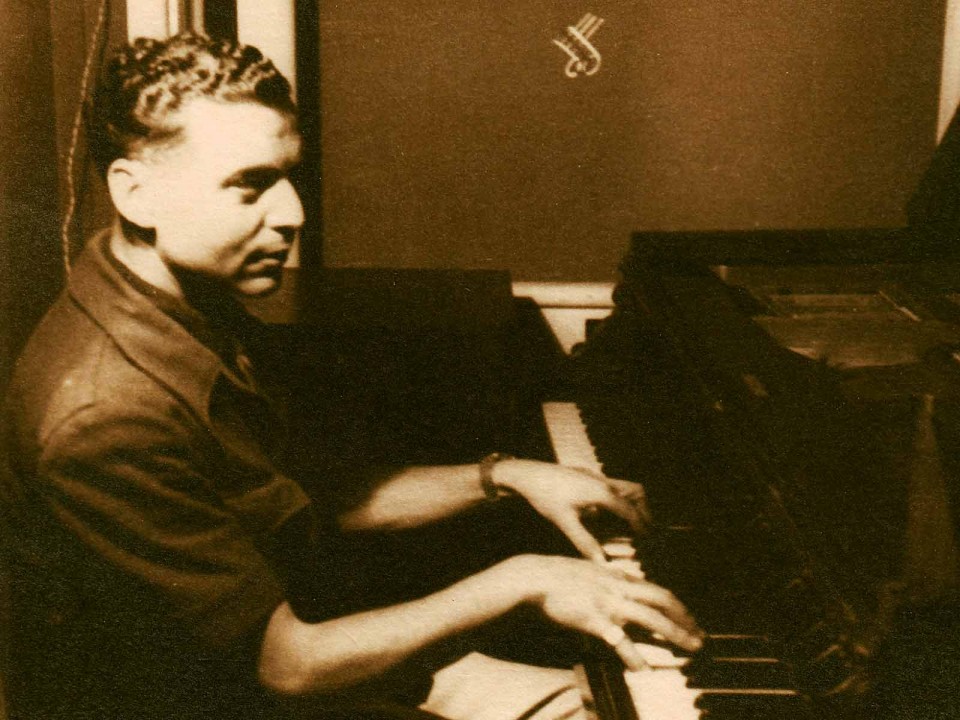
0 Read MoreHis love of music came from a very early age, since his father was the organist of the Church of Aielo.
He began his studies with two of his sisters, who were piano teachers. At sixteen he moved to Versailles to work, an opportunity which he used to enter the Conservatory, where he graduated with a Bachelor Prize.
In 1925, he returned to Spain to perform military service. He played in various halls in the capital, even playing at the Royal Theatre.
Then he moved to Paris, where he worked at the “Hotel Palace” in the “Colonial Exhibition” and played in the “Great Universal Exhibition”.
In 1928 he met what would become his inseparable companion and manager, Paulette Well. He accepted a contract to give recitals in the Transatlantic “Normandy” with the Orchestra “Parisien”, covering the Paris-New York route, where he met so popular figures like Charles Chaplin. Later he was hired by the royal family of Egypt that accompanied Persia (now Iran) to the first wedding of the Shah of Iran, with the King Farouk of Egypt’s sister; along the way he composed the “Bolero Fantasy” as a tribute to the Queen Mother of Egypt; it was the year 1939.
During the 2nd World War, Amalio and Paulette took up residence in Perpignan, where he performed several concerts with orchestras of Jazz. After the war, they moved to Paris where he worked intensly.
He starred with music stars as Antonio Machin, Pau Casals or Xavier Cugat.
His songs, pasodobles, tangos, waltzes, boleros … are part of the obligatory repertoire of the best dance bands in the world. He has also composed music for documentaries and adapted films like “A Fisherman on the Water”, “Saint Mary of the Sea”…
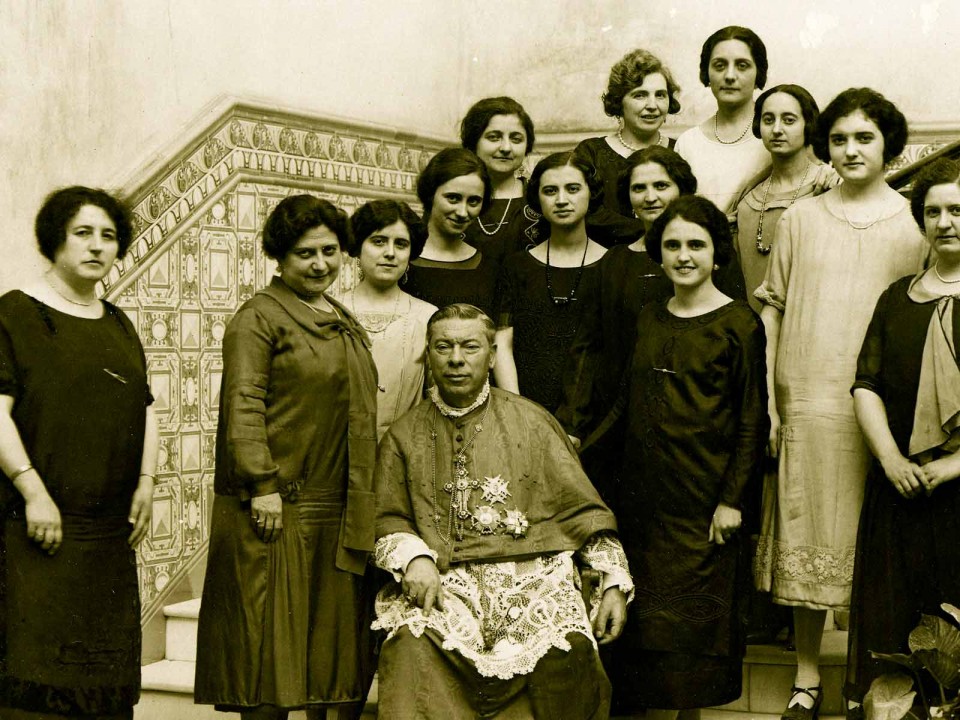
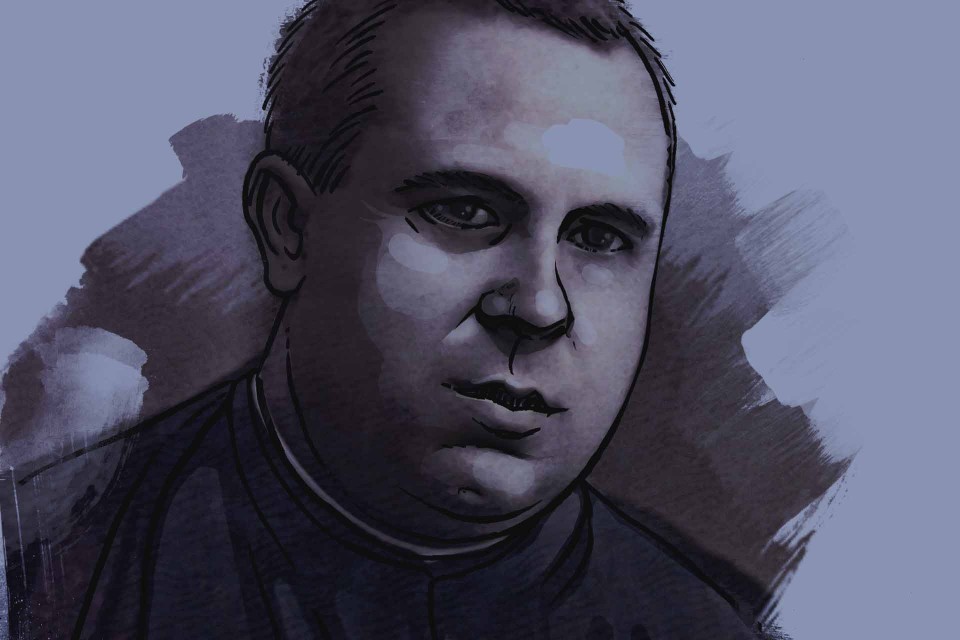
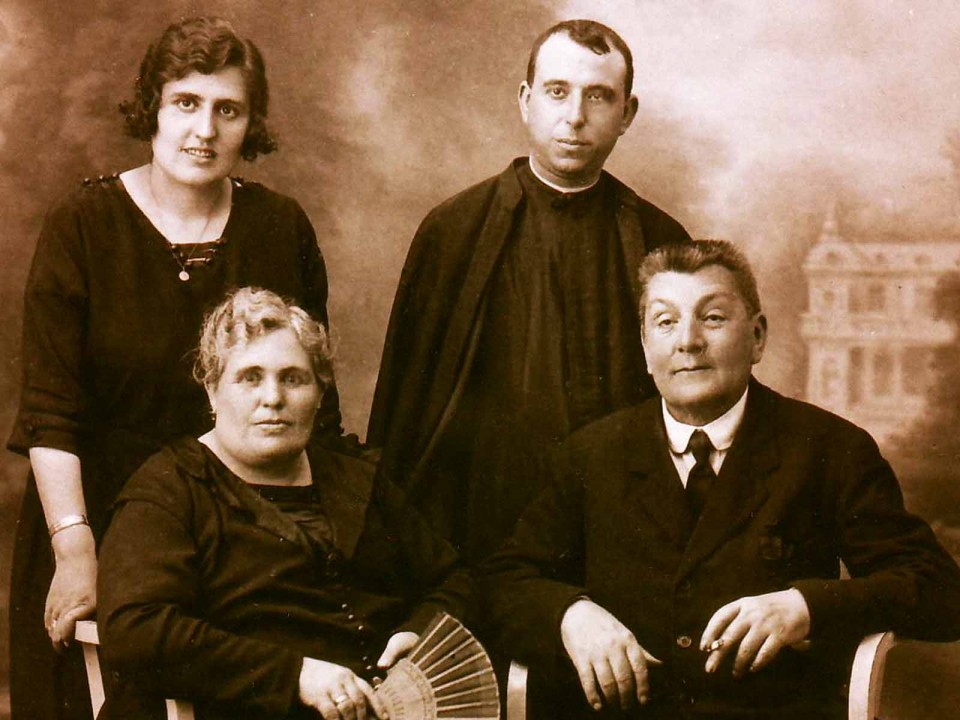
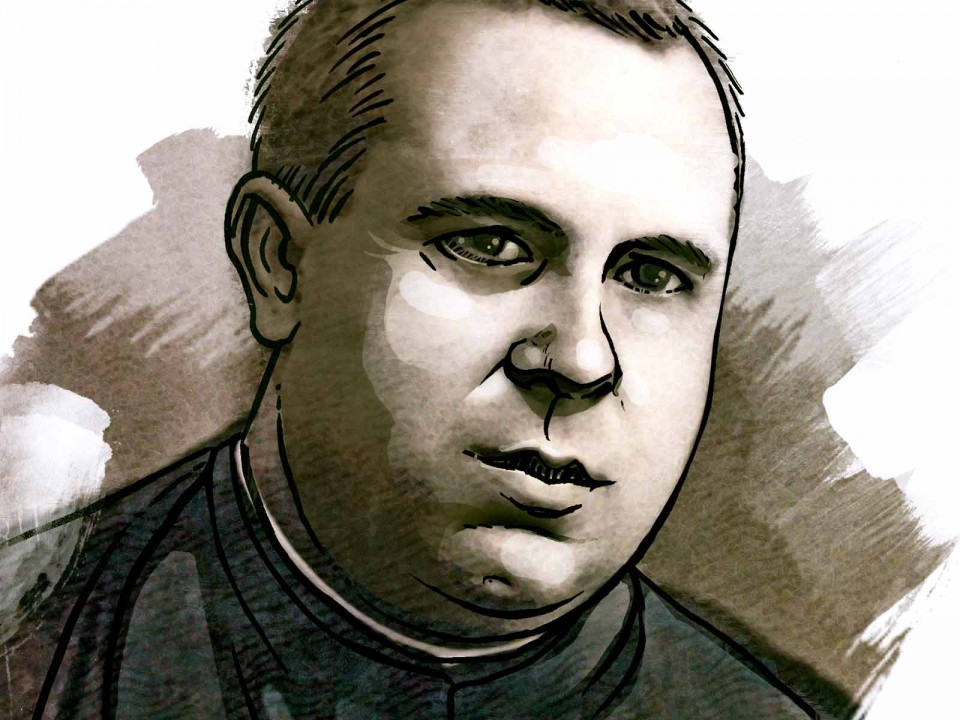
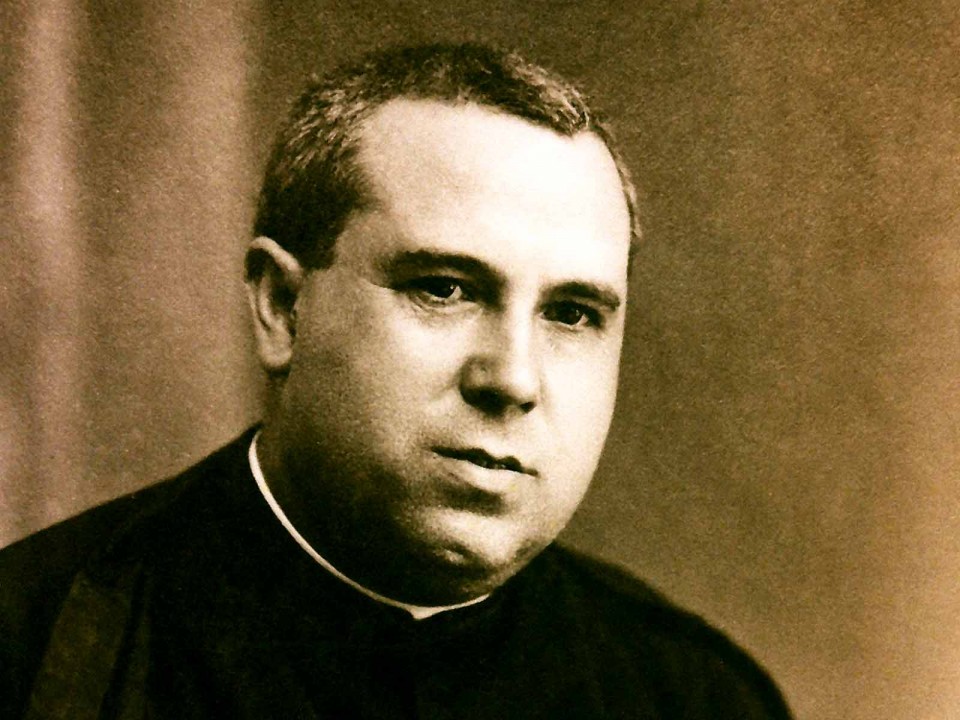
0 Read MoreRafael lost his father at age 5. Thanks to the efforts of his mother Justina he was able to study, first at the Colegio de la Concepcion Ontinyent, then at the College of Ecclesiastical Vocations San José in Valencia. In both centers under the concept of a servant.
He received the priestly order in late 1907. After carrying out his minister in Benimasot, Masalavés, Manuel and Carlet, he was given the role as archpriest of Santa Maria de Ontinyent..
It shoud be noted that each of the transfer caused an avalanche of protests from neighbors who did not want to be without their priest Rafael. His transfer from Manuel to Carlet requiered the intervention of the archbishop. Monseñor asked the mayor to please, soothe the spirits of the neighbors who did not stop sending protests.
In 1923 he created the first Board for the celebrations of the Immaculate Conception, patroness of Ontinyent, where he carried out tireless pastoral work and prompted many architectural reforms.
He founded the weeklies EL RESTAURADOR and LA PAZ CRISTIANA published continuously for 14 years. In both publications he would write numerous articles, many of them dedicated to Aielo, whose to whose fesivities he came to in August almost every year. He also wrote a lyrical drama in verse entitled “San Engracio, or the seed of Christians” to celebrate the centenary of the Exhumation of the body of San Engracio.
After the proclamation of the Republic in 1931 he was banished from Ontinyent. He spent a few days in Bocairent until he got permission to reside in his village. During his stay in Aielo he received many mass visits, and it was such a scandal that the authorities decided that he should return to his parish in Ontinyent.
Deeply depressed by the political situation, in 1933 he traveled to Rome, from where he returned ill. He died on November 29 when he was 51 years old.